Choosing the Right Lightning Protection System: A Complete Guide for Texas Property Owners
Lightning strikes are a major threat to homes, barns, ranches, commercial buildings, industrial facilities, and agricultural properties throughout Texas. Severe thunderstorms across the state can cause fires, electrical damage, equipment failure, and costly structural repairs. Choosing the right lightning protection system is one of the best ways to safeguard your property and investment.
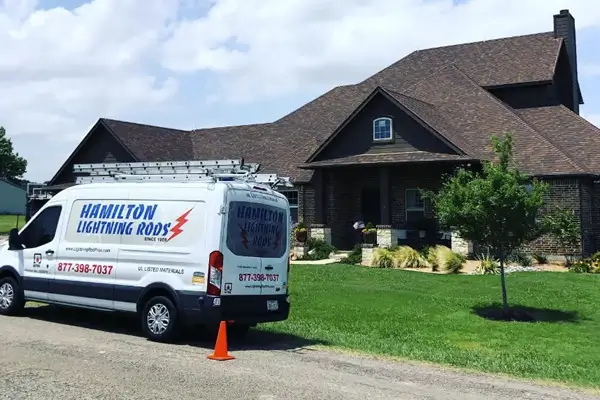
At Hamilton Lightning Rods of Texas, we provide professional lightning protection installation for residential, commercial, agricultural, and industrial properties across Texas. This guide explains how lightning protection works, what components are needed, and how to choose the best system for your building.

What Is a Lightning Protection System?
A lightning protection system is designed to safely intercept lightning strikes and redirect the electrical energy into the ground before it can damage a structure.
A complete system may include:
- Lightning rods (air terminals)
- Copper or aluminum conductors
- Ground rods and grounding systems
- Bonding components
- Surge protection devices
- Roof connectors and mounting hardware
When professionally installed, the system helps reduce the risk of fire, electrical surges, and structural damage caused by lightning strikes.
Why Lightning Protection Matters in Texas
Texas experiences some of the highest lightning activity in the United States. Properties located in rural areas, open land, ranches, coastal regions, and elevated terrain are especially vulnerable.
Lightning strikes can cause:
- Roof and attic fires
- Damage to electrical systems
- Power surges
- HVAC failure
- Data and equipment loss
- Structural damage
- Damage to barns and livestock facilities
Lightning protection helps reduce these risks while improving overall safety for occupants, animals, and property.
How to Choose the Right Lightning Protection System

Every structure is different. The right system depends on the size, design, location, and intended use of the property.
- Structure Size and Height
Larger buildings generally require more lightning rods and conductors to create complete protection coverage.
Examples include:
- Single-family homes
- Large ranch homes
- Horse barns and stables
- Metal buildings
- Warehouses
- Churches
- Commercial facilities
- Industrial structures
Taller structures and buildings with multiple roof elevations often need additional air terminals and grounding components.
- Roofing Material and Roof Design
Different roofing systems require specialized installation methods.
Common Texas roof types include:
- Metal roofs
- Standing seam roofs
- Shingle roofs
- Tile roofs
- Flat commercial roofing systems
Complex rooflines with peaks, dormers, cupolas, chimneys, and decorative features may require additional lightning protection components.
- Property Location and Exposure
Properties located in open areas are more likely to experience direct lightning strikes.
Higher-risk properties include:
- Ranches and farms
- Barns and equestrian facilities
- Coastal properties
- Hilltop homes
- Rural commercial buildings
- Industrial facilities
Texas storms can produce powerful lightning activity, especially during spring and summer thunderstorm seasons.
- Residential vs. Commercial Lightning Protection
Residential systems focus on protecting:
- The home structure
- Electrical systems
- Appliances and electronics
- Family safety
Commercial and industrial systems often require expanded protection for:
- Electrical equipment
- Data systems
- Communication infrastructure
- Manufacturing equipment
- Fire alarm systems
- HVAC equipment
Larger facilities typically require more advanced grounding and bonding systems.
- Whole Building Surge Protection
A lightning protection system should also include surge protection devices.
Lightning can create dangerous electrical surges through:
- Utility power lines
- Internet cables
- Telephone lines
- Cable systems
Whole-house and commercial surge protection helps protect expensive electronics and electrical systems from damage.
Components of a Complete Lightning Protection System
Lightning Rods
Lightning rods are installed at roof peaks and vulnerable areas to intercept lightning strikes safely.
Conductors
Copper or aluminum conductors carry lightning energy away from the structure.
Grounding System
Ground rods safely dissipate electrical energy into the earth.
Bonding
Bonding connects metal systems throughout the structure to prevent dangerous side flashes.
Surge Protection Devices
Surge suppressors help protect appliances, electronics, and sensitive equipment.
Does Your Texas Property Need Lightning Protection?
Many Texas property owners choose lightning protection because of the state’s severe weather and frequent thunderstorms.
Properties that commonly benefit include:
- Homes
- Ranch houses
- Horse barns
- Agricultural buildings
- Warehouses
- Churches
- Metal buildings
- Commercial properties
- Industrial facilities
Even nearby lightning strikes can cause major electrical damage through power surges.
Why Professional Installation Is Important
Lightning protection systems should always be installed by experienced professionals using quality materials and proper grounding techniques.
Professional installation helps ensure:
- Correct lightning rod placement
- Proper grounding
- Effective bonding
- Long-term durability
- Reliable system performance
At Hamilton Lightning Rods of Texas, we design custom lightning protection systems tailored to each property’s size, location, and exposure level.
Benefits of Installing a Lightning Protection System
Protect Your Property
Reduce the risk of fires, structural damage, and costly repairs.
Protect Electronics and Equipment
Help prevent damage to appliances, computers, HVAC systems, and electrical panels.
Improve Safety
Protect family members, employees, livestock, and building occupants.
Reduce Downtime and Repair Costs
Minimize disruptions caused by lightning-related electrical failures.
Gain Peace of Mind
Feel more confident during severe Texas storms knowing your property is protected.
Choosing a Trusted Texas Lightning Protection Contractor
When selecting a lightning protection contractor, look for:
- Experience with Texas properties
- Residential and commercial expertise
- Quality copper and aluminum materials
- Custom system design
- Professional installation standards
- Strong customer service
An experienced contractor can determine the proper number of lightning rods, grounding requirements, and surge protection needs for your structure.
Protect Your Texas Property With Hamilton Lightning Rods of Texas
Lightning strikes can happen without warning, but a professionally installed lightning protection system can help protect your home, ranch, barn, commercial building, or industrial facility from serious damage.
Hamilton Lightning Rods of Texas provides expert lightning protection installation and custom system design throughout Texas for residential, agricultural, commercial, and industrial properties.
Contact Hamilton Lightning Rods of Texas today to learn more about protecting your property from lightning damage.
UL Listed lightning protection system installer
Why hire us for your Lightning Protection System
You cant stop lighting from striking your home or business, but you can protect your house or office from the strike. At Hamilton Lightning Rods, your Lightning Rod Pros,(LRP), we provide the highest quality workmanship and parts together with 55 years of experience, in every solution we make. We have manufactured proven installations that guard against the most powerful strikes. When you want peace of mind call our Lightning Rod Pros.
Hamilton Lightning Rods is one of Underwriters Laboratories listed installers All Materials Meet or Exceed UL 96/96A NFPA 780 LPI 175/177 Requirements.


UL Lightning Protection Systems E529936

Elite Home Advisor Service